


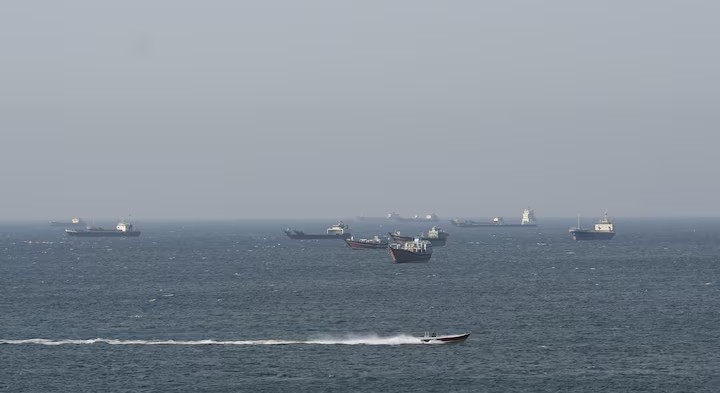
The Strait of Hormuz—a critical global oil shipping route—has been effectively blocked again as tensions between the United States and Iran persist despite ongoing peace talks.
According to reports, Iran reasserted control over the strait and halted maritime traffic after accusing the U.S. of continuing a naval blockade of its ports, which Tehran says violates ceasefire terms.
Attacks on commercial vessels, including Indian-flagged ships, have further discouraged shipping, leaving hundreds of vessels stranded and disrupting global energy flows.
Although both sides report some progress in negotiations held in Islamabad, major disagreements remain unresolved—particularly over Iran’s nuclear programme and control of the strategic waterway.
Iranian officials stress that significant differences still exist, while U.S. President Donald Trump has warned that military action could resume if no agreement is reached before the ceasefire deadline.
No date has been confirmed for the next round of talks, underscoring the fragile and uncertain diplomatic situation.
The standoff has heightened global economic and security concerns, as roughly one-fifth of the world’s oil supply passes through the strait.
Markets remain volatile, and oil prices have reacted sharply to the uncertainty. With the ceasefire nearing expiration and both sides maintaining hardline positions, the crisis risks escalating further unless a breakthrough is achieved in negotiations.
Read alsoTension in Strait of Hormuz as Vessels Report Gunfire Amid Iran Warning
