


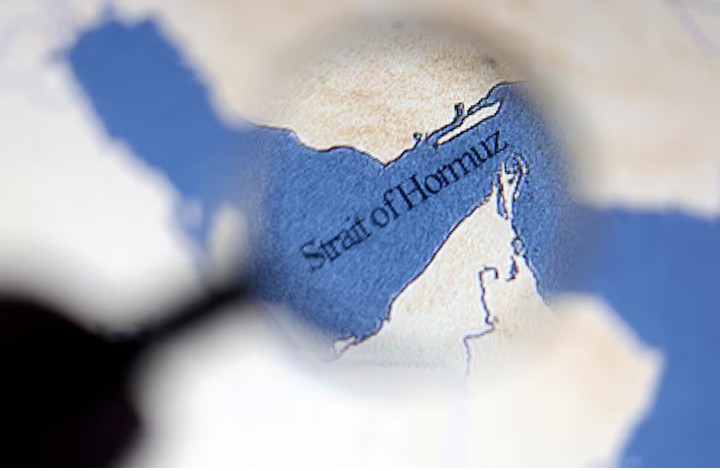
Iran has introduced a new mechanism to regulate vessel movement through the strategic Strait of Hormuz, signalling tighter control over one of the world’s most critical shipping routes.
The system requires commercial ships to coordinate their transit directly with Iranian military authorities before passing through the waterway.
As part of the new arrangement, Iran has warned the United States Navy to stay out of the strait, reinforcing its position that it holds authority over navigation in the area.
The move comes amid heightened tensions and reflects Tehran’s effort to assert dominance over maritime traffic in the Gulf.
Iran also released an updated map showing what it claims is an expanded zone of control, extending beyond the narrow strait itself.
This development suggests a broader attempt to redefine operational boundaries and strengthen oversight of nearby waters
The mechanism follows weeks of disruption in the strait, where conflict between Iran and the United States has significantly reduced shipping activity.
Previously, vessels were already required to seek approval from Iranian authorities, but the new system formalises and tightens that process.
Overall, the move is likely to further complicate global trade flows, as the Strait of Hormuz handles a significant share of the world’s oil shipments.
With tensions still high and competing claims over security in the waterway, the situation remains fragile despite ongoing diplomatic efforts
