


The United States and Iran remain far apart on ending their ongoing conflict despite fresh diplomatic efforts led by Qatar.
Relative calm returned around the Strait of Hormuz after days of clashes, but both sides have yet to agree on a peace framework or a permanent ceasefire.
U.S. Secretary of State Marco Rubio said Washington was expecting a response from Tehran on proposals aimed at stopping more than two months of fighting and opening broader negotiations, including discussions on Iran’s nuclear activities.
However, there was no sign of an immediate Iranian reply.
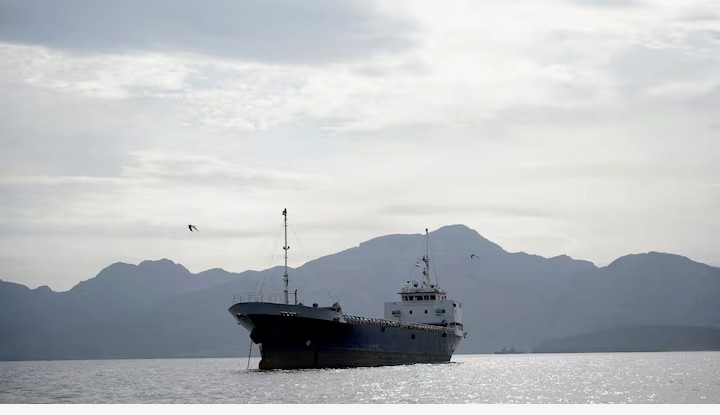
A major development involved a Qatari liquefied natural gas tanker sailing toward the Strait of Hormuz.
Shipping data indicated that the vessel may become the first Qatari LNG tanker to cross the strait since the conflict began, a move analysts see as a possible confidence-building signal between the warring sides.
Despite the calmer atmosphere, tensions remain high in the Gulf region. Reuters reported that sporadic confrontations between Iranian and U.S. forces have continued, while the United Arab Emirates has also faced renewed strikes linked to the conflict.
Iran has maintained restrictions on shipping through the strategic waterway and warned that vessels connected to “hostile states” could still be denied passage.
Read Also:
Trump says Ceasefire Still holds After Fighting Between the US and Iran Flares
The crisis continues to worry global markets because the Strait of Hormuz is one of the world’s most important oil and gas shipping routes.
Western allies, including Britain, are increasing naval deployments in the region as fears grow that the standoff could further disrupt global energy supplies if diplomacy fails.
